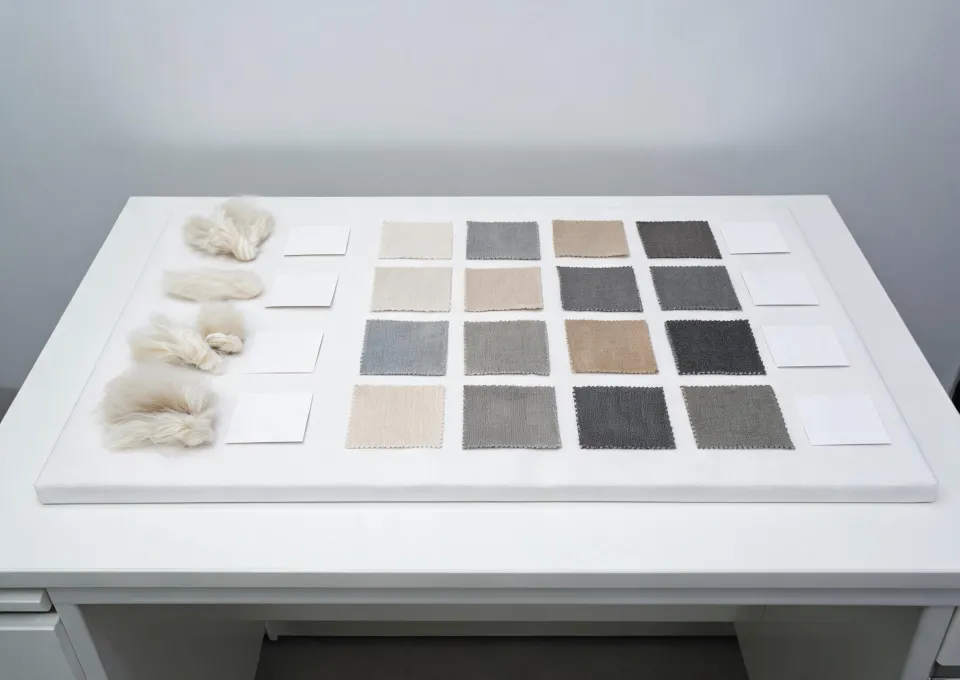
Conventional reinforcement material development inputs
Input state

Teijin Material Innovation

Make fiber source, gradeation, finish chemistry and composite layers visible before judging an innovation claim.

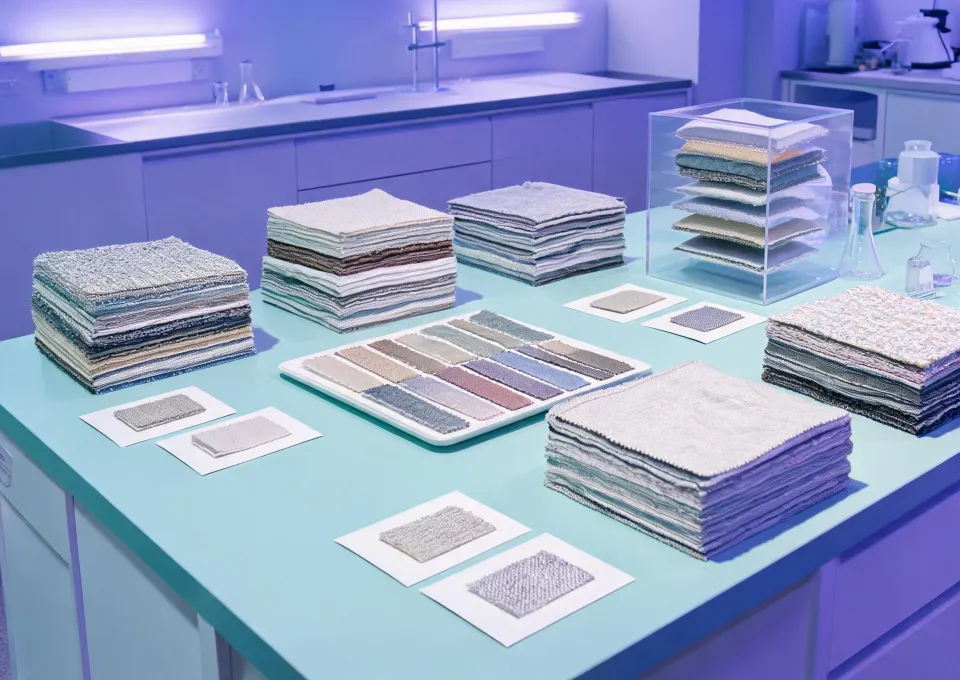
Next-generation recycled and performance textile prototypes
Trial state

Compare changed variables

Keep construction and test conditions controlled so the effect of each route can be interpreted.

Development scenario builder

Calculate the evidence workload, not a marketing score

Changing feedstock, sizing route, finish or backing can affect shade, strength, drape and tack, cleanability and documentation. The interface frames which specimens and tests need repetition when a layer changes.

Enter project quantities during a technical consultation; this static demonstration shows the decision fields rather than inventing impact savings.

Review setComposition traceability · shade consistency · mechanical baseline · processing response · report scope

Three innovation routes with explicit trade-offs

Recycled fiber integration

Background: A program may seek recycled content while retaining grade and tensile consistency. Process: Confirm feedstock claim and chain of custody, then compare yarn and fabric properties against a controlled reference. Result boundary: Recycled content does not establish lower total impact without system-specific data, and feedstock variation may require tighter lot review.

Low-impact gradeation trials

Background: Gradeation route affects water, chemistry, lead time, MOQ and palette flexibility. Process: Compare solution-gradeed and piece-dyed routes using the same target shade and agreed fiber and resin stability methods. Result boundary: Solution gradeation may support weathering performance but limits rapid grade changes; piece dyeing offers flexibility but requires disciplined dye-lot control.

Composite performance structures

Background: A finish, coating or laminated layer can add cleanability or barrier behavior. Process: Record chemistry, coating weight, substrate and cure conditions, then evaluate adhesion, flex and repeated care. Result boundary: Added layers can change drape and tack, breathability, recycling route and long-term response.

Design a controlled material innovation trial.

Identify the reference construction, the variable being changed and the decision methods.